
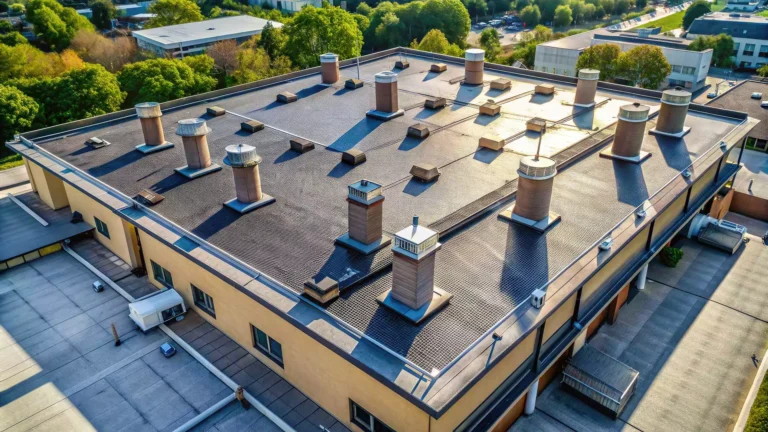
A commercial building manager in Berry Farms walks the property one morning and notices a faint water stain on the ceiling near the back office. Nothing dramatic, just a small discoloration that was not there last month. That single stain is often the visible tip of a much larger problem hiding above the ceiling deck. By the time water reaches the interior, moisture has usually been traveling through insulation, decking, and structural components for weeks. This is exactly the kind of situation where a professional commercial roofing inspection earns its value, and it is the work we handle every day at Tim Leeper Roofing.
Commercial roofs are large, flat or low-slope, and built from layered systems that respond very differently than the sloped shingle roofs on nearby homes. They also carry more equipment, more foot traffic, and more penetrations. A thorough inspection is the only reliable way to understand the true condition of a roof before small issues become expensive failures. Below, we walk through how we approach commercial roofing inspection in Berry Farms, TN, from the first assessment to the final report.
Why Commercial Roofs Need Dedicated Inspection
The economics of a commercial roof are unforgiving. A single roof can cover tens of thousands of square feet, and a failure in one area can disrupt operations, damage inventory, and interrupt business. Unlike a residential leak that might affect one room, a commercial roof failure can affect an entire floor of a building, along with the equipment and stock inside it. Because of this, inspection is not a luxury. It is a core part of protecting the asset and the business running inside it.
Flat and low-slope roofs also drain differently than pitched roofs. Water does not simply run off. It moves toward drains and scuppers, and where drainage is poor, it pools. Standing water accelerates membrane breakdown, adds structural load, and finds its way into seams and flashing. Regular inspection catches ponding, membrane fatigue, and drainage problems before they compromise the whole system. As a roofing contractor offering both residential and commercial services across Middle Tennessee, we understand how these systems behave over the long lifespan of a building.
Our Commercial Roofing Inspection Process
We follow a consistent, methodical process on every commercial inspection so that nothing is overlooked. A roof is a system, and each part interacts with the others, so we examine the whole assembly rather than isolated spots.
- Initial site assessment: We review the building type, roof age, membrane material, and any history of repairs or leaks that the owner can share with us.
- Surface and membrane evaluation: We inspect the roofing surface for cracks, blisters, punctures, seam separation, and general wear across the full field of the roof.
- Flashing and penetration review: We check every penetration, curb, pipe boot, and flashing detail, since these transitions are where most leaks begin.
- Drainage inspection: We confirm that drains, scuppers, and gutters are clear and that water is moving off the roof instead of pooling.
- Detailed documentation: We record findings with photos and notes so you have a clear, organized report of the roof condition.
Once the physical inspection is complete, we compile everything into a straightforward report. We describe what we found, where we found it, and what it means for the roof going forward. We prioritize issues by urgency so you can distinguish between a problem that needs attention today and one you can plan for next budget cycle. This practical approach helps building owners make informed decisions rather than reacting to emergencies.
What We Look For During an Inspection
Commercial roof problems tend to develop in predictable places, and years of field experience have taught us where to focus attention. Membrane damage is a frequent finding. On built-up, modified bitumen, TPO, EPDM, and metal roofs, the surface takes constant abuse from sun, temperature swings, and weather. Middle Tennessee summers push roof surface temperatures high, and the repeated expansion and contraction fatigues seams and fasteners over time.
Penetrations are another common trouble area. Every pipe, vent, HVAC curb, and skylight creates a break in the roofing surface that must be sealed properly. Over time, sealants dry out and flashing pulls away. We examine each of these transitions closely because a small gap around a penetration can channel a surprising amount of water into a building. We also inspect rooftop equipment mounts, since foot traffic from technicians servicing that equipment often damages the surrounding membrane.
Ponding water deserves special attention on flat roofs. When water sits for more than 48 hours after rain, it signals a drainage problem or a low spot in the deck. Ponding adds weight, breaks down protective coatings, and creates the conditions for algae and vegetation growth. Identifying these areas early allows us to correct slope and drainage before the underlying deck is affected.
When to Schedule a Commercial Roofing Inspection
Timing matters with commercial roofs. Certain moments in a building’s life call for an inspection, and being proactive almost always costs less than reacting to a failure. We recommend inspections in these situations:
- After severe weather: High winds, hail, and heavy storms can damage a roof in ways that are not visible from the ground.
- Before purchasing a property: A roof inspection protects your investment and reveals the true condition of a major building component.
- At seasonal transitions: Spring and fall inspections catch damage from the previous season and prepare the roof for the next.
- When a warranty requires it: Many roof warranties depend on documented, regular maintenance and inspection.
- When you notice interior signs: Stains, drips, or musty smells inside the building warrant a prompt professional look.
Storms are a particular concern in our region. Middle Tennessee sees its share of severe weather, and wind and hail can lift membrane, loosen fasteners, and puncture the surface. Because we also handle storm damage repair, we know how to distinguish weather-related damage from normal aging, which matters when documenting a roof for insurance or budgeting purposes. When you need us quickly, we offer emergency and after-hours call service so that urgent roof concerns do not wait until the next business day.
Why Building Owners Choose Tim Leeper Roofing
We have built our reputation across Middle Tennessee on high-quality workmanship and honest assessments. We operate four locations, in Murfreesboro, Old Hickory, Clarksville, and Franklin, TN, which keeps us close to the communities we serve, including Clarksville, Murfreesboro, Franklin, Old Hickory, and all surrounding areas. That local presence means faster response times and a genuine understanding of the weather and building conditions in this area.
We are also an Owens Corning Platinum Preferred Contractor, a designation earned by a small percentage of roofing contractors and one that reflects a commitment to quality installation and materials. We have been recognized as Middle Tennessee’s number one choice and named Roofing Contractor of the Year. When we complete roofing work, we stand behind it with a 20 year roof warranty, because we are confident that our workmanship will hold up. We do not door knock. Our clients come to us because of the quality of our work and the trust we have earned over time.
An inspection is often the first step in a longer relationship. Once we understand the condition of your roof, we can help you plan repairs, schedule maintenance, or move toward a full replacement when the time comes. Whether you manage a retail space, an office building, a warehouse, or a mixed-use property in Berry Farms, our goal is the same: give you a clear, honest picture of your roof so you can protect your building and your business. If you are ready to schedule a commercial roofing inspection, Tim Leeper Roofing is prepared to help.