

Remodeling Projects Depend on the Roof Above Them
Every remodeling project, whether you are adding a room, raising a ceiling, or converting an attic into livable space, changes how your roof performs. When you move a wall, extend a footprint, or open up a vaulted area, the load paths, ventilation, and water shedding of the structure all shift. That is why remodeling work and roofing work are so closely tied together. At Tim Leeper Roofing, we approach remodeling with the understanding that the roof is not a separate item to think about later. It is part of the plan from the first measurement.
A remodel that ignores the roof often creates problems that appear months later: leaks at new wall junctions, poor attic airflow that traps heat and moisture, or mismatched rooflines that let water pool where it never did before. We help homeowners across the Middle Tennessee area avoid these outcomes by treating the roof as an active part of the remodeling design. As an Owens Corning Platinum Preferred Contractor and the region’s Roofing Contractor of the Year, we bring the same standard to remodel-related roofing that we bring to full roof replacements.
How Remodeling Changes Your Roof
Home additions are the most common remodel that affects a roof. When you extend the living space of a house, you almost always extend or modify the roof. New rafters must tie into existing framing. New sections of decking, underlayment, and shingles must blend with the old. A poorly integrated tie-in is one of the most frequent sources of leaks we see, because the seam between the old roof and the new roof carries a great deal of water. We plan these transitions carefully so the finished result sheds water as one continuous surface.
Interior remodels can affect the roof too, even when the exterior footprint does not change. Removing an interior wall may change how the ceiling and roof structure are supported. Vaulting a ceiling removes attic space that once helped with ventilation and insulation, which means the roof must be adapted to keep airflow moving and prevent moisture buildup. Adding skylights, dormers, or solar-ready sections all cut into the roof plane and require precise flashing to stay watertight.
Here are the most common remodeling situations where roofing work becomes essential:
- Room additions: new roof sections must tie into the existing roof with weatherproof transitions.
- Attic conversions: ventilation and insulation must be rebalanced when living space replaces open attic space.
- Vaulted or cathedral ceilings: the roof assembly changes and often needs new venting strategies.
- Dormers and skylights: every penetration through the roof plane needs correct flashing to prevent leaks.
- Second-story additions: the entire roofline may be raised or reworked.
Our Approach to Roofing for Remodels
We begin every remodel-related roofing job with a full inspection of the existing roof. Before we cut into anything, we need to understand the age and condition of the current shingles, the state of the decking underneath, the ventilation pattern, and how water currently moves across the surface. This tells us whether the existing roof can be blended with new work or whether a fuller replacement makes better sense for the long-term result. There is little value in tying a brand new addition into a roof that is near the end of its service life.
From there, we plan the transition points. The junction between old and new roofing is where we focus much of our attention. We use proper step flashing, valley protection, and underlayment overlaps so the seam performs like the rest of the roof. We match materials as closely as possible, and when an exact match is not available because a product line has changed, we discuss options with you so the finished roof looks intentional rather than patched. Attention to these details is what separates a remodel that lasts from one that causes repeated headaches.
Ventilation is another area we treat with care during remodels. Many older homes have ventilation that was balanced for the original layout. When you change that layout, you can accidentally trap heat and humidity in the roof assembly, which shortens shingle life and encourages mold. We recalculate intake and exhaust ventilation so the new configuration breathes correctly. This protects both your new investment and the parts of the roof that remain.
Why Homeowners Trust Tim Leeper Roofing With Remodel Work
Remodeling is disruptive enough without a roofing contractor adding to the stress. We work to keep the roofing portion of your project predictable, clean, and coordinated with the rest of your remodel. We show up when we say we will, we protect your landscaping and property during the work, and we communicate clearly about what happens next. We also stand behind the quality of our craftsmanship. We offer a 20 year roof warranty because we build to a standard that we know will hold up, meaning we do not expect to be back fixing our own work within that window.
We also respect your time and your privacy. We do not door knock. If you are talking with us, it is because you reached out, not because someone showed up uninvited during a stressful renovation. And because remodels sometimes expose unexpected roof conditions once work begins, we offer emergency and after hours call service so you are never left with an open roof and no way to reach us.
A few facts that matter when you choose a roofing partner for your remodel:
- Local coverage: we have four locations in Old Hickory, Clarksville, Murfreesboro, and Franklin, TN, which keeps our crews close to your project.
- Full range of services: we handle residential and commercial roofing, storm damage, roof repair, and roof replacement, so remodel needs of any size are covered.
- Recognized quality: as Middle Tennessee’s number one choice and an award-winning contractor, we bring proven experience to every job.
Remodeling Roofing Across the Region
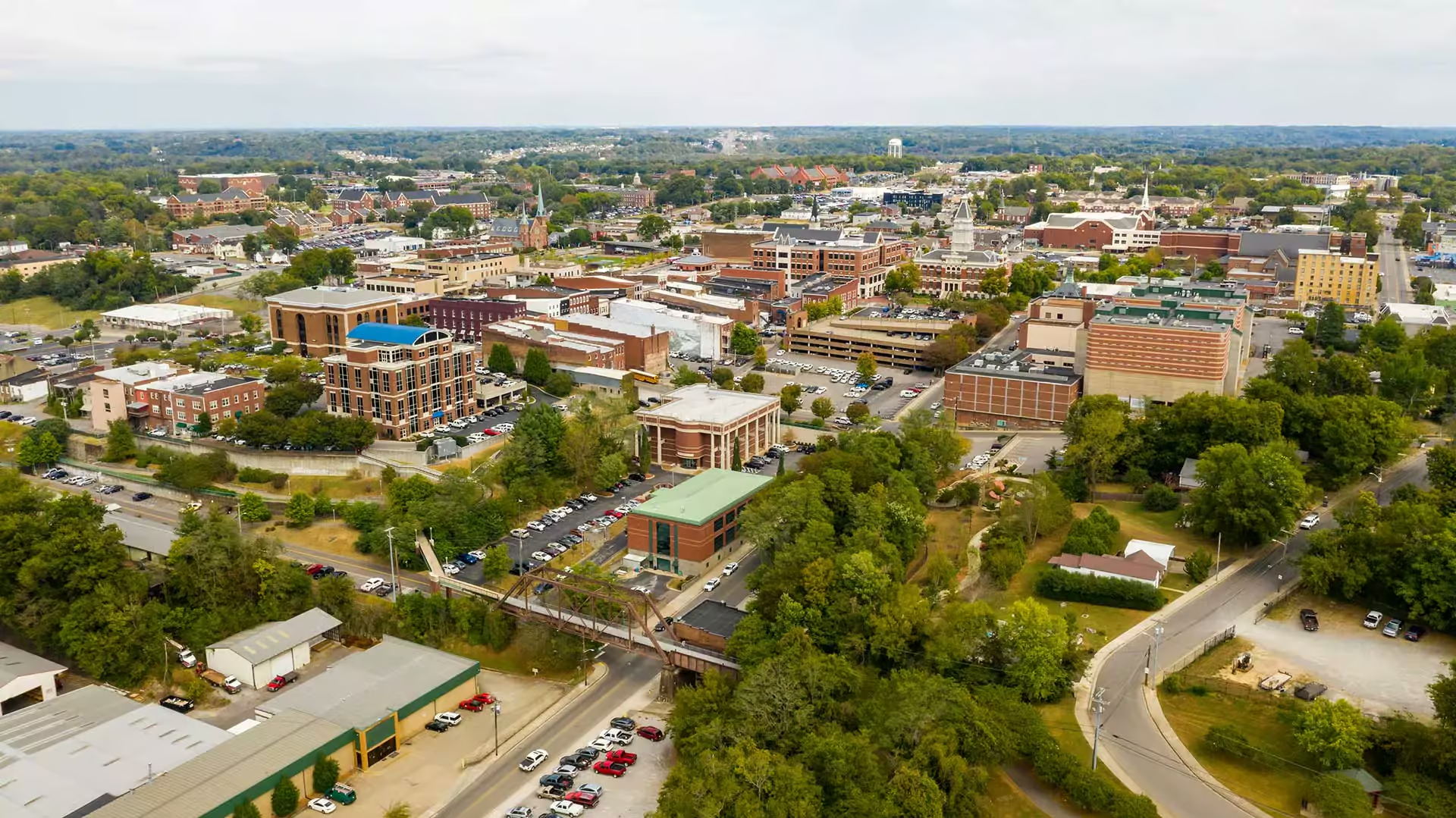
Homes across Clarksville, Murfreesboro, Franklin, Old Hickory, and all surrounding areas vary widely in age, roof pitch, and construction style, which means remodel roofing is rarely one-size-fits-all. A 1950s ranch that is getting a primary suite addition presents very different challenges than a newer two-story home adding a bonus room over the garage. We adapt our methods to the specific structure in front of us rather than applying a single template. This flexibility is especially important during remodels, where the existing conditions often surprise even experienced builders.
Whether your remodel is a modest bump-out or a full second-story addition, the roofing work needs to be done with the long view in mind. A remodel is an investment in your home, and the roof is what keeps that investment dry and comfortable for decades. We are glad to walk your project with you, review your plans, and explain exactly how the roofing portion will come together. When you are ready to talk through a remodel that touches your roof, Tim Leeper Roofing is prepared to help you get it right the first time.