
Understanding Commercial Roofing Inspection Requirements in Nashville
Commercial roofing inspection in Nashville, TN requires specialized expertise and comprehensive evaluation techniques that go beyond standard residential assessments. At Tim Leeper Roofing, we conduct thorough commercial roof inspections throughout Middle Tennessee, leveraging our status as an Owens Corning Platinum Preferred Contractor to deliver accurate assessments for business owners and property managers. Our inspection process encompasses detailed analysis of roofing systems, identification of potential vulnerabilities, and comprehensive documentation that helps Nashville businesses make informed decisions about their roofing investments.
The unique weather patterns in Nashville, including severe thunderstorms, occasional tornadoes, and significant temperature fluctuations throughout the year, create specific challenges for commercial roofing systems. These environmental factors necessitate regular professional inspections to maintain structural integrity and prevent costly emergency repairs. Our team operates from three strategic locations in Old Hickory, Clarksville, and Franklin, TN, enabling us to respond quickly to inspection requests throughout the region while offering emergency and after hours call service when urgent situations arise.
Components of Professional Commercial Roof Inspection
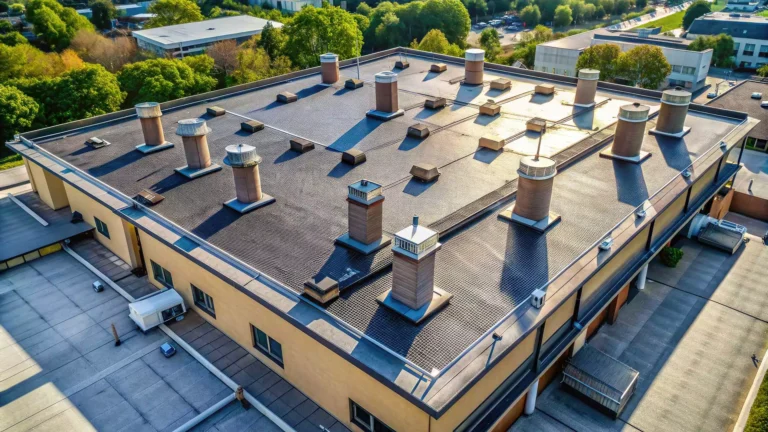
A comprehensive commercial roof inspection involves systematic evaluation of multiple roofing components and systems. We begin with exterior examination of the roof surface, checking for signs of wear, damage, or deterioration in membrane systems, whether they consist of EPDM rubber, TPO, PVC, modified bitumen, or built-up roofing materials. Our inspectors assess seam integrity, looking for separation, deterioration, or failure points that could allow water infiltration. Flashings around penetrations, parapet walls, and equipment curbs receive particular attention, as these transition areas represent common failure points in commercial roofing systems.
Interior inspection components include examining ceiling tiles, walls, and structural elements for water stains, mold growth, or other indicators of moisture infiltration. We evaluate insulation conditions through infrared thermography when appropriate, identifying areas where thermal efficiency has been compromised by moisture intrusion or compression. Drainage systems, including internal drains, scuppers, and gutters, undergo thorough assessment to ensure proper water flow and identify potential ponding areas that could accelerate roof deterioration. Our inspection process also includes documentation of all rooftop equipment, HVAC units, and penetrations, noting their condition and the integrity of associated flashings and sealants.
Advanced Inspection Technologies and Methodologies
Modern commercial roofing inspection extends beyond visual assessment, incorporating advanced technologies that provide deeper insights into roof conditions. Infrared thermography allows us to detect moisture beneath the roof surface without destructive testing, identifying wet insulation and substrate materials that might otherwise remain hidden until significant damage occurs. This non-invasive technology proves particularly valuable for large commercial structures where traditional moisture detection methods would be time-consuming and potentially disruptive to business operations.
Core sampling and moisture surveys provide quantitative data about roof system conditions when more detailed analysis is required. Electronic vector mapping technology helps pinpoint breach locations in membrane systems with remarkable accuracy, enabling targeted repairs rather than wholesale replacement. Drone technology enhances our inspection capabilities for expansive commercial roofs or facilities with limited access points, providing high-resolution imagery and video documentation while maintaining inspector safety. These technological approaches complement traditional inspection methods, creating a comprehensive assessment protocol that addresses all aspects of commercial roofing system performance.
Critical Areas Requiring Special Attention
- Roof penetrations and equipment curbs: Areas where HVAC units, vents, and pipes penetrate the roof membrane require detailed inspection as sealants and flashings deteriorate over time
- Parapet walls and coping caps: These perimeter elements face exposure from multiple directions and often show early signs of system failure
- Expansion joints and area dividers: Movement in building structures can compromise these critical components, leading to membrane splitting and water infiltration
- Drainage systems and overflow provisions: Blocked or inadequate drainage causes ponding water that accelerates membrane deterioration and increases structural load
Commercial buildings in Nashville often feature complex roofing configurations with multiple levels, equipment platforms, and architectural features that create additional inspection challenges. Our experienced inspectors understand how these design elements interact with roofing systems and identify potential problem areas that less experienced evaluators might overlook. We recognize that storm damage assessment requires particular expertise, as commercial roofs can sustain impact damage, wind uplift, or water infiltration that may not be immediately apparent without professional evaluation.
Documentation and Reporting Standards
Professional commercial roofing inspection requires comprehensive documentation that serves multiple purposes for property owners and managers. Our detailed inspection reports include photographic documentation of all identified issues, with clear annotations explaining the nature and severity of each condition. We provide scaled roof drawings showing problem locations, enabling maintenance teams to address issues systematically. The reports include prioritized recommendations, distinguishing between immediate concerns requiring emergency attention and conditions that can be addressed through planned maintenance activities.
Cost implications receive careful consideration in our reporting, though we do not include specific pricing in inspection documents. Instead, we provide detailed scope definitions that enable accurate budgeting and contractor bidding processes. Our 20 year roof warranty reflects the confidence we have in our work quality, and this same attention to detail characterizes our inspection services. Property managers appreciate receiving reports that facilitate communication with stakeholders, insurance companies, and maintenance teams while providing clear documentation for property records.
Preventive Maintenance Through Regular Inspection
Establishing a regular commercial roof inspection schedule prevents minor issues from developing into major problems requiring emergency intervention. Nashville’s variable climate demands seasonal inspections that address specific weather-related concerns. Spring inspections focus on identifying winter damage and preparing for severe weather season, while fall assessments ensure roofs are ready for temperature extremes and potential ice formation. Our approach emphasizes proactive identification of developing issues rather than reactive response to failures.
Commercial property owners throughout Middle Tennessee benefit from our comprehensive inspection services that extend beyond simple visual assessment. We understand that commercial roofing represents a significant capital investment requiring professional oversight to maximize service life and minimize lifecycle costs. Our team’s extensive experience with various commercial roofing systems, combined with our commitment to never using door knock tactics, ensures that businesses receive professional service focused on their specific needs. Whether managing a single commercial property or an extensive portfolio throughout Nashville, Antioch, Brentwood, Franklin, Forest Hills, Arrington, or Clarksville, our inspection services provide the detailed information necessary for informed decision-making about roof repair, replacement, or maintenance strategies that protect your investment while maintaining business operations. Contact us today.