
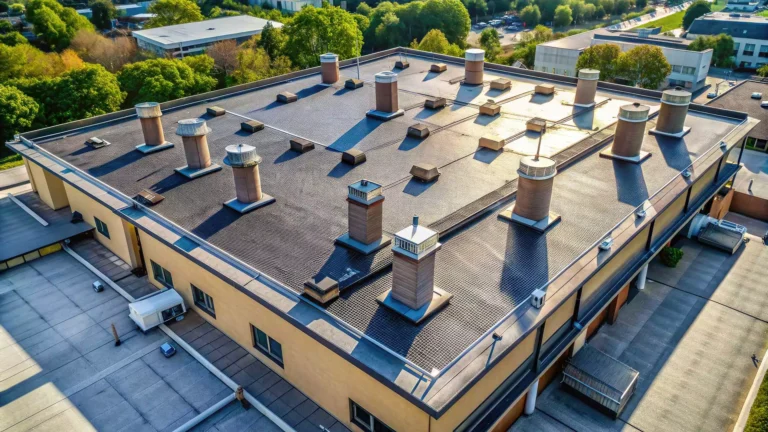

Understanding Commercial Roofing Inspection Standards in Lebanon
Commercial roofing inspection in Lebanon, TN requires a comprehensive understanding of both local building codes and the unique weather patterns that affect Middle Tennessee properties. At Tim Leeper Roofing, we conduct thorough evaluations that go beyond surface-level observations, examining every component of your commercial roofing system to identify potential issues before they become costly problems. Our inspection process incorporates advanced diagnostic tools and decades of experience serving businesses throughout the region from our three convenient locations in Old Hickory, Clarksville, and Franklin.
The commercial buildings in Lebanon face specific challenges due to Tennessee’s variable climate, which includes hot, humid summers, occasional severe storms, and temperature fluctuations that can stress roofing materials. Our inspection protocols account for these regional factors, examining how your roof has weathered recent seasons and predicting how it will perform in upcoming weather conditions. We analyze drainage systems, membrane integrity, flashing connections, and structural support elements to provide a complete picture of your roof’s current state and future needs.
Critical Components We Evaluate During Inspections
During our commercial roofing inspections, we systematically examine multiple layers and systems that work together to protect your Lebanon business. The roof membrane or covering material receives careful attention, as we check for punctures, tears, blistering, and signs of weathering that could compromise waterproofing capabilities. We inspect seams and joints where different sections meet, as these areas often develop problems first due to thermal expansion and contraction cycles common in Tennessee’s climate.
Drainage systems deserve special focus during commercial inspections because standing water remains one of the primary causes of premature roof failure. We evaluate gutters, downspouts, internal drains, and scuppers to ensure proper water flow and identify any blockages or design issues that could lead to ponding. Our team also examines the roof deck beneath the surface materials, looking for signs of moisture infiltration, structural weakness, or damage that might not be visible from above. Penetrations for HVAC units, vents, skylights, and other rooftop equipment receive detailed inspection since these areas frequently develop leaks if not properly maintained.
Advanced Inspection Technologies and Methods
Modern commercial roofing inspection goes far beyond visual observation, incorporating sophisticated technologies that reveal hidden problems before they cause damage. Infrared thermography allows us to detect moisture trapped within roofing systems by identifying temperature variations across the roof surface. This non-invasive technique proves particularly valuable for flat and low-slope commercial roofs common in Lebanon’s industrial and retail sectors, where water can remain hidden beneath membrane surfaces for extended periods.
Core sampling provides another valuable diagnostic tool when circumstances warrant deeper investigation. By extracting small samples from strategic locations, we can analyze the exact composition and condition of roofing layers, measure moisture content precisely, and determine whether isolated repairs will suffice or if more extensive work is necessary. Electronic leak detection systems help pinpoint breach locations in membrane roofing systems with remarkable accuracy, eliminating guesswork and reducing the scope of necessary repairs. These technological approaches, combined with our status as an Owens Corning Platinum Preferred Contractor, ensure that our inspections meet the highest industry standards.
Seasonal Inspection Timing and Frequency Recommendations
The timing and frequency of commercial roofing inspections significantly impact their effectiveness in preventing problems and extending roof life. For Lebanon businesses, we recommend scheduling comprehensive inspections twice annually, ideally in spring and fall, to assess winter damage and prepare for summer storms respectively. Spring inspections focus on identifying issues caused by freeze-thaw cycles, ice accumulation, and winter storm damage that might have affected your roofing system during the colder months.
Fall inspections prepare your commercial roof for winter conditions while addressing any damage from summer thunderstorms or heat-related deterioration. Additionally, we strongly advise immediate inspections following severe weather events, particularly after hailstorms, high winds, or heavy rainfall that characterizes Middle Tennessee’s storm season. Our emergency and after-hours call service ensures that when storm damage occurs, we can respond quickly to assess and document damage for insurance purposes and implement temporary measures to prevent further deterioration.
Documentation and Reporting Procedures
Comprehensive documentation forms the foundation of effective commercial roofing management, and our inspection reports provide detailed insights that help Lebanon business owners make informed decisions about roof maintenance and replacement. Each inspection generates a thorough report including photographic evidence of current conditions, detailed descriptions of identified issues, and prioritized recommendations for addressing problems. We map problem areas on roof diagrams, making it easy to understand exactly where issues exist and how they relate to your building’s overall structure.
Our reporting includes cost-benefit analyses for recommended repairs versus replacement options, helping you understand the long-term financial implications of different approaches. We maintain historical records of all inspections, creating a valuable database that tracks your roof’s condition over time and helps predict future maintenance needs. This documentation proves invaluable for warranty claims, insurance purposes, and budgeting for future capital improvements.
Planning Your Commercial Roofing Inspection Strategy
Developing an effective inspection strategy requires understanding your specific building’s needs and integrating roofing maintenance into your overall facility management plan. Consider these essential factors when planning your inspection schedule:
- Roof age and warranty status – Newer roofs may need less frequent inspection, while aging systems require closer monitoring
- Previous repair history – Areas with past problems deserve extra attention during inspections
- Building use and occupancy – Critical operations may require more frequent inspections to prevent disruptions
- Environmental factors – Properties near trees or in areas prone to severe weather need additional inspection frequency
- Regulatory requirements – Some industries mandate specific inspection schedules for compliance
Regular commercial roofing inspections represent a smart investment in your Lebanon business’s future, preventing minor issues from escalating into major expenses. Unlike companies that rely on door-knocking tactics to generate business, Tim Leeper Roofing focuses on building long-term relationships with commercial clients through reliable service and honest assessments. Our 20-year warranty on roofing work reflects our confidence in our installation quality and our commitment to standing behind our work. As Middle Tennessee’s Roofing Contractor of the Year, we understand that proper inspection and maintenance today prevent emergency repairs tomorrow, keeping your business operations running smoothly regardless of weather conditions. Contact us today.