
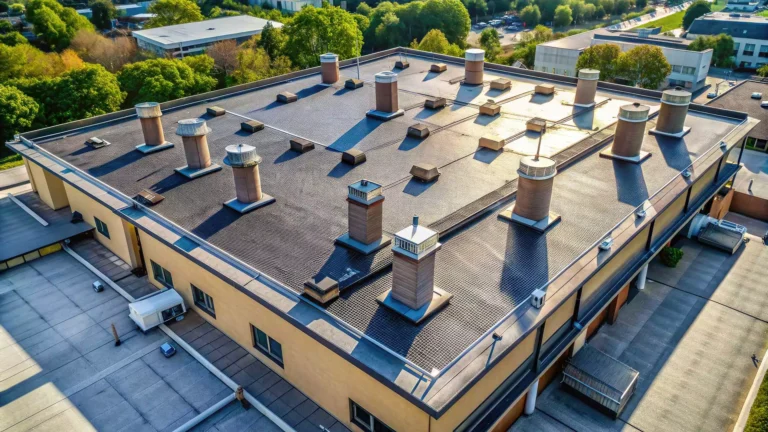

Commercial Modified Bitumen Roofing Solutions in Ashwood, TN
Modified bitumen roofing systems represent one of the most reliable and durable solutions for commercial properties throughout the Ashwood area. As an Owens Corning Platinum Preferred Contractor, Tim Leeper Roofing specializes in installing, maintaining, and replacing these robust roofing systems that have become the standard for flat and low-slope commercial buildings across Middle Tennessee. Our expertise in modified bitumen applications ensures that businesses receive roofing solutions engineered to withstand the region’s variable weather conditions while providing exceptional long-term value.
The evolution of modified bitumen technology has transformed commercial roofing over the past several decades, offering property owners a superior alternative to traditional built-up roofing systems. These advanced membranes combine the proven waterproofing characteristics of asphalt with polymer modifications that enhance flexibility, durability, and temperature resistance. Our installation teams understand the critical importance of proper application techniques, ensuring each layer bonds correctly to create a monolithic barrier against moisture infiltration.
Understanding Modified Bitumen Composition and Performance
Modified bitumen roofing membranes consist of asphalt reinforced with either APP (atactic polypropylene) or SBS (styrene-butadiene-styrene) polymers, creating materials with exceptional elasticity and weather resistance. APP-modified systems offer superior UV resistance and high-temperature stability, making them particularly well-suited for Tennessee’s hot summers. These membranes maintain their integrity even when surface temperatures exceed 150 degrees Fahrenheit, preventing the thermal degradation that affects conventional asphalt products.
SBS-modified systems provide extraordinary flexibility and cold-weather performance, remaining pliable at temperatures well below freezing. This characteristic proves invaluable during Tennessee’s occasional winter cold snaps, preventing cracking and maintaining seal integrity around penetrations and flashings. The rubberized nature of SBS membranes also provides excellent resistance to thermal shock, accommodating the dramatic temperature swings that frequently occur in our region. Our technicians evaluate each commercial property’s specific requirements, considering factors like building usage, HVAC equipment placement, and maintenance access needs to recommend the optimal modified bitumen formulation.
Installation Methods and Technical Specifications
We employ multiple installation techniques for modified bitumen systems, each offering distinct advantages depending on project requirements and existing roof conditions. Torch-applied methods involve heating the membrane’s underside to create a strong adhesion to the substrate or preceding layer. This application technique produces exceptional seam integrity and allows for installation in various weather conditions, though it requires experienced technicians who understand proper heating temperatures and application speeds.
Cold-adhesive applications eliminate open flames from the installation process, making them ideal for occupied buildings or facilities with strict safety protocols. These solvent-based or water-based adhesives create powerful bonds while allowing for precise membrane positioning during installation. Self-adhered membranes feature factory-applied adhesive layers that activate through primer application and pressure, streamlining installation while ensuring consistent adhesion across the entire roof surface. Mechanically attached systems use fasteners and plates to secure the membrane, providing excellent wind uplift resistance while allowing for thermal movement without stress on the waterproofing layer.
Commercial Applications and Building Types
Modified bitumen roofing systems serve diverse commercial properties throughout Ashwood and surrounding communities, from retail centers and office buildings to warehouses and manufacturing facilities. Educational institutions particularly benefit from these systems’ durability and low maintenance requirements, minimizing disruptions to academic activities while ensuring reliable protection for decades. Healthcare facilities appreciate modified bitumen’s ability to accommodate heavy rooftop equipment while maintaining waterproof integrity around numerous penetrations for mechanical systems.
Industrial facilities with moderate rooftop traffic find modified bitumen’s reinforced construction ideal for supporting maintenance personnel and equipment access. The multi-layer construction provides redundant protection against punctures and tears, critical for buildings where production continuity depends on maintaining controlled interior environments. Retail establishments value the aesthetic flexibility of modified bitumen systems, which accommodate various surfacing options including reflective coatings, granulated cap sheets, and ballasted configurations that complement architectural designs while meeting energy efficiency goals.
Maintenance Programs and Longevity Considerations
Regular maintenance significantly extends modified bitumen roof lifespans, with properly maintained systems often exceeding twenty-five years of reliable service. Our comprehensive maintenance programs include semi-annual inspections that identify potential issues before they develop into costly problems. These evaluations examine seams, flashings, drainage systems, and penetration seals, documenting conditions and recommending preventive measures. Tim Leeper Roofing offers emergency and after hours call service, ensuring rapid response when unexpected issues arise.
- Inspection protocols: Detailed examination of membrane surfaces for blisters, splits, or punctures that could compromise waterproofing
- Drainage evaluation: Assessment of gutters, downspouts, and internal drains to prevent ponding water accumulation
- Flashing integrity: Verification of sealed connections at walls, curbs, and equipment supports
- Surfacing condition: Analysis of protective coatings or granule adhesion to maintain UV resistance
Weather Resistance and Regional Considerations
Tennessee’s climate presents unique challenges for commercial roofing systems, with high humidity, intense summer heat, occasional severe storms, and periodic winter weather events. Modified bitumen’s multi-layer construction provides exceptional resistance to wind uplift, crucial when thunderstorms bring damaging winds to the region. The membranes’ reinforcement layers, typically polyester or fiberglass mats, create tremendous tensile strength that resists tearing even under extreme wind loads. Our storm damage repair services address any issues that arise from severe weather events, with teams available from our three locations in Old Hickory, Clarksville, and Franklin to respond quickly throughout Middle Tennessee.
Hail resistance represents another critical performance characteristic for commercial roofing in our region. Modified bitumen’s thickness and flexibility help absorb hail impacts without fracturing, while the multiple layers provide backup protection if surface damage occurs. The material’s self-healing properties allow minor indentations to recover as temperatures warm, maintaining aesthetic appearance and functional performance. Our twenty-year warranty reflects confidence in these systems’ ability to withstand regional weather patterns while maintaining protective performance.
Energy Efficiency and Sustainability Benefits
Modern modified bitumen systems contribute significantly to building energy efficiency through various design options and surfacing treatments. Reflective coatings and light-colored granulated surfaces reduce heat absorption, decreasing cooling loads during summer months when commercial HVAC systems work hardest. These cool roofing options can reduce roof surface temperatures by thirty degrees or more compared to traditional dark membranes, translating to meaningful energy savings and improved interior comfort.
Environmental sustainability increasingly influences commercial roofing decisions, and modified bitumen systems offer several ecological advantages. Many manufacturers now incorporate recycled content into membrane production, reducing raw material consumption while maintaining performance standards. The extended service life of properly installed modified bitumen systems minimizes replacement frequency, reducing construction waste generation and associated environmental impacts. At end-of-life, modified bitumen membranes can often be recycled into asphalt products for road construction, supporting circular economy principles while diverting materials from landfills.
Tim Leeper Roofing maintains our position as Middle Tennessee’s #1 Choice and Roofing Contractor of the Year through dedication to quality installation practices and customer service excellence. We never engage in door-knock solicitation, instead building our commercial client base through demonstrated expertise and reliable performance. Our comprehensive approach to modified bitumen roofing encompasses everything from initial assessment through installation and ongoing maintenance, ensuring Ashwood businesses receive roofing solutions that protect their investments while supporting operational success for decades to come. Contact us today.