
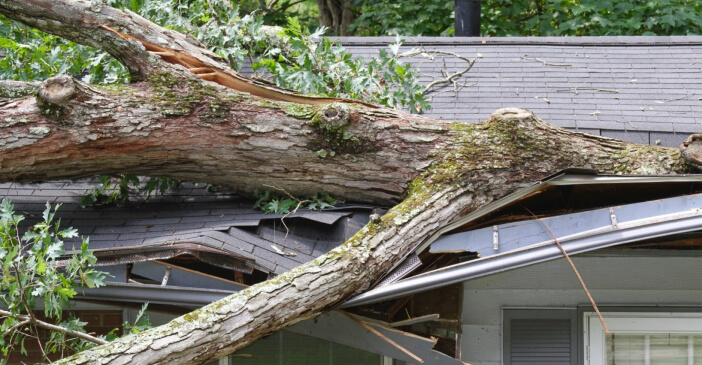

Understanding Storm Damage Risks in Middle Tennessee
Living in Middle Tennessee means experiencing everything from severe thunderstorms to tornadoes, particularly during spring and fall. When these weather events strike areas like Clarksville, Franklin, or Brentwood, the damage can range from minor shingle loss to complete roof failure. Having witnessed countless storm aftermaths across our service areas from Antioch to Forest Hills, we understand that the first 24-48 hours after storm damage are critical for protecting your home from further deterioration.
The unpredictable nature of Tennessee weather makes preparation essential. Ice storms can strike in winter, while summer brings intense heat that weakens roofing materials, making them more vulnerable to wind damage. As an Owens Corning Platinum Preferred Contractor, we’ve responded to emergency calls throughout Old Hickory, Arrington, and beyond, often finding that homeowners with proper emergency supplies fare significantly better in minimizing secondary damage. Our emergency and after hours call service exists precisely because storm damage doesn’t follow business hours, but having the right supplies on hand means you can take immediate protective action while waiting for professional help.
Essential Tarping and Waterproofing Supplies
The cornerstone of any storm damage emergency kit is heavy-duty tarping material. You’ll need at least two 20×30 foot tarps rated for outdoor use, preferably blue or silver reflective material that can withstand UV exposure. These should be reinforced at the corners and edges, capable of handling Tennessee’s variable weather conditions. Alongside tarps, stock several tubes of roofing cement or wet-surface sealant that can create temporary patches on smaller breaches. Include a roll of waterproof tape specifically designed for outdoor applications, as regular duct tape fails quickly when exposed to moisture.
Supporting these primary barriers requires proper fastening materials. Keep a supply of furring strips or 2×4 lumber pieces that can be used to secure tarps without causing additional damage to your roofing structure. Include at least 100 roofing nails and an equal number of cap nails, which provide better holding power for temporary repairs. Sandbags or water-fillable barrier bags offer weight without requiring permanent attachment, particularly useful when you cannot safely nail into damaged areas. Our experience with both residential and commercial properties has shown that proper temporary waterproofing can prevent thousands of dollars in interior damage while professional roof repair or replacement is arranged.
Documentation and Communication Tools
Insurance claims depend heavily on thorough documentation, making a quality digital camera or smartphone with good low-light capabilities essential. Include a measuring tape to document the size of damaged areas, and waterproof notebooks for recording details when electronic devices might fail. Keep printed copies of your insurance policies, including contact numbers for your agent and our emergency service line, stored in waterproof sleeves. A battery-powered weather radio provides critical updates when power fails, which frequently occurs during severe storms affecting Middle Tennessee communities.
Create a detailed inventory of your home’s pre-storm condition with photographs focusing on your roof, siding, gutters, and any outdoor structures. Store these images both digitally in cloud storage and physically on a USB drive kept in your emergency kit. Include a clipboard with pre-printed damage assessment forms that note date, time, weather conditions, and specific damage locations. This systematic approach to documentation streamlines the insurance process and helps roofing contractors provide accurate estimates for necessary repairs or replacement work.
Safety Equipment and Access Tools
Personal safety during post-storm assessment requires specific protective gear. Include hard hats for anyone inspecting damage, safety goggles to protect against debris, and heavy-duty work gloves suitable for handling damaged roofing materials. Non-slip footwear with ankle support becomes critical when navigating wet or debris-covered surfaces. A sturdy extension ladder, properly rated for your weight plus equipment, enables safe roof access for temporary repairs, though we strongly recommend leaving comprehensive inspections to professionals.
Your kit should contain multiple flashlights with extra batteries, as storm damage assessment often occurs in low-light conditions or when power outages affect entire neighborhoods. Include a basic first aid kit enhanced with supplies for treating cuts from damaged roofing materials. Chemical light sticks provide hands-free illumination without fire risk. As Middle Tennessee’s #1 Choice and Roofing Contractor of the Year, we emphasize that no temporary repair is worth risking personal injury. When conditions seem dangerous, rely on our emergency response team rather than attempting repairs yourself.
Building Your Complete Emergency Response Kit
- Waterproofing materials: heavy-duty tarps, roofing cement, waterproof tape, plastic sheeting
- Fastening supplies: roofing nails, cap nails, furring strips, rope, bungee cords, sandbags
- Documentation tools: camera, measuring tape, waterproof notebooks, insurance documents, USB storage
- Safety equipment: hard hats, safety goggles, work gloves, first aid supplies, flashlights
- Additional essentials: contractor-grade trash bags, utility knife, hammer, pry bar, weather radio
Store these supplies in a designated area that remains accessible even if parts of your home sustain damage. Regular inspection ensures materials haven’t degraded and batteries remain fresh. Tim Leeper Roofing provides comprehensive storm damage assessment across our three locations, backed by our 20-year roof warranty that demonstrates confidence in our high-quality work. Unlike companies that door knock after storms, we maintain established relationships with homeowners throughout Middle Tennessee, ready to respond when severe weather strikes.