
Understanding Commercial Roofing Inspection in Mt. Juliet
Commercial roofing inspection forms the backbone of effective property management and preventive maintenance strategies for businesses throughout Mt. Juliet, TN. At Tim Leeper Roofing, we recognize that your commercial property represents a significant investment, and regular professional inspections serve as your first line of defense against costly repairs and unexpected business disruptions. Our comprehensive inspection services leverage years of experience serving Middle Tennessee businesses, combining traditional roofing expertise with modern diagnostic techniques to deliver thorough assessments that protect your bottom line.
The climate patterns unique to Mt. Juliet, including seasonal temperature fluctuations, occasional severe weather events, and varying humidity levels throughout the year, create specific challenges for commercial roofing systems. These environmental factors accelerate wear patterns on roofing materials, making professional inspections essential for maintaining structural integrity. Our inspection protocols account for these regional considerations, examining how local weather patterns impact everything from membrane adhesion to drainage system performance, ensuring that potential problems are identified before they escalate into major issues requiring emergency roof repair services.
Critical Components of Professional Commercial Roof Inspections
During our detailed commercial roofing inspections, we systematically evaluate every aspect of your roofing system, beginning with the roof membrane or primary covering material. This examination includes checking for punctures, tears, blistering, or separation that could compromise waterproofing capabilities. We assess the condition of seams and joints, looking for signs of deterioration or failure that often develop gradually over time. Our inspection process also involves evaluating the attachment methods and checking for loose sections that could become vulnerable during high winds or storms common to the Mt. Juliet area.
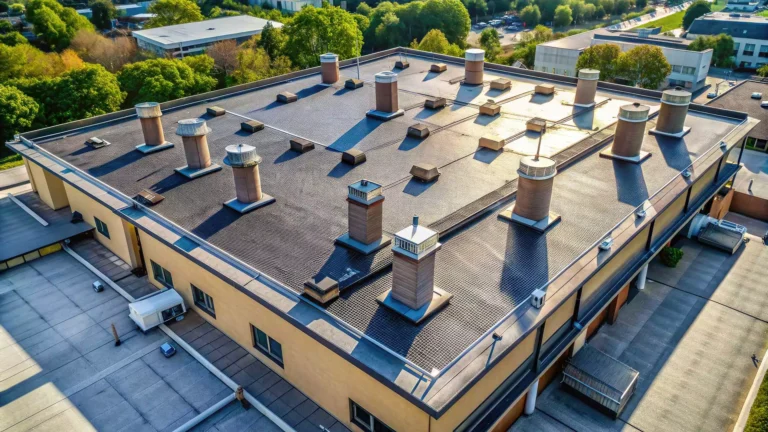
Beyond surface evaluation, we conduct thorough assessments of all penetrations including HVAC units, exhaust vents, skylights, and equipment supports. These areas represent common failure points in commercial roofing systems, as the intersection between different materials creates opportunities for water infiltration. We examine flashing details around these penetrations, checking for proper installation, adequate sealant application, and signs of movement or separation that could indicate underlying structural issues. Drainage systems receive particular attention during our inspections, as proper water management prevents ponding that accelerates material degradation and adds unnecessary weight stress to your building’s structure.
Advanced Diagnostic Techniques and Technology
Modern commercial roofing inspection extends far beyond simple visual examination, incorporating sophisticated diagnostic tools that reveal hidden problems before they become visible to the naked eye. Infrared thermography allows us to detect moisture infiltration within roofing systems by identifying temperature variations that indicate wet insulation or trapped water. This non-invasive technology proves particularly valuable for identifying problems in built-up roofing systems and single-ply membranes where moisture can remain hidden beneath the surface for extended periods, causing progressive damage to structural components.
Core sampling and moisture surveys provide quantitative data about your roofing system’s condition, offering precise measurements of moisture content and insulation effectiveness. These diagnostic procedures help determine whether targeted repairs can extend your roof’s service life or if roof replacement represents the more cost-effective long-term solution. Electronic leak detection methods enable pinpoint accuracy in locating breaches in waterproofing membranes, eliminating guesswork and reducing the scope of necessary repairs.
Documentation and Reporting Standards
Comprehensive documentation serves as the foundation for informed decision-making regarding commercial roofing maintenance and capital planning. Our inspection reports include detailed photographic documentation of all identified issues, annotated to clearly communicate problem areas and recommended solutions. We provide condition ratings for different roofing components, helping you prioritize maintenance activities based on urgency and potential impact on operations. These reports become valuable historical records, tracking your roof’s condition over time and supporting warranty claims when applicable.
Preventive Maintenance Benefits
Regular commercial roofing inspections deliver substantial returns on investment through extended roof life, reduced emergency repair costs, and minimized business disruptions. Industry research indicates that proactive maintenance programs can extend commercial roof life by thirty to fifty percent compared to reactive maintenance approaches. This translates directly into delayed capital expenditures for roof replacement and improved budget predictability for facility managers. Additionally, documented inspection and maintenance histories strengthen insurance claims following storm damage events, potentially reducing claim processing times and improving settlement outcomes.
Why Tim Leeper Roofing Stands Apart
- Three strategic locations in Old Hickory, Clarksville, and Franklin enable rapid response throughout Middle Tennessee
- Emergency and after-hours call service ensures immediate attention when unexpected roofing issues threaten your operations
- Owens Corning Platinum Preferred Contractor status demonstrates our commitment to installation excellence and ongoing education
- Twenty-year roof warranty coverage reflects confidence in our workmanship quality and material selection
- No door-knock sales tactics respects your time and business operations
Our recognition as Middle Tennessee’s #1 Choice and Roofing Contractor of the Year stems from consistent delivery of exceptional commercial roofing services across the region. Whether managing routine inspections, addressing storm damage concerns, or planning complete roof replacement projects, we bring the expertise and resources necessary to protect your commercial property investment.
Inspection Frequency and Scheduling Considerations
Optimal inspection frequency depends on multiple factors including roof age, material type, warranty requirements, and exposure to severe weather events. Most commercial roofing manufacturers recommend semi-annual inspections, typically scheduled in spring and fall to identify winter damage and prepare for summer heat stress. However, properties with flat or low-slope roofs may benefit from quarterly inspections, particularly during leaf-fall seasons when drainage systems face increased clogging risks. Following significant weather events, immediate inspection becomes crucial for identifying and documenting storm damage while evidence remains fresh.
Mt. Juliet’s position within Middle Tennessee’s variable climate zone makes strategic inspection timing particularly important for commercial property owners. Spring inspections address potential damage from winter freeze-thaw cycles and prepare roofing systems for intense summer heat and ultraviolet exposure. Fall inspections ensure proper preparation for winter conditions and clear drainage pathways before deciduous trees shed their leaves. This proactive scheduling approach minimizes emergency situations and extends the operational life of your commercial roofing investment, supporting long-term property value preservation while maintaining safe conditions for employees and customers. Contact us today.